
World
U.S Kills Top Iranian Military Leader in Airstrike


On Thursday night, the Pentagon announced that the United States killed Maj. Gen. Qassem Suleimani, the head of Iran’s paramilitary forces, in an airstrike in Iraq “at the direction of the President.”
The strike that took out Suleimani also reportedly killed the leader of Kataib Hezbollah, an Iranian proxy militia in Iraq that has repeatedly attacked US and allied forces and recently launched rockets at a US military base. Those attacks killed an American contractor, which led the United States to respond and kill 25 operatives in attacks in Iraq and Syria. In separate operations, US forces have also captured and arrested leaders of other important Iraqi militias with close ties to Iran.
The killing of Suleimani, the (IRGC-QF) is likely to prove a watershed in Washington’s relations with Iraq and Iran and will substantially affect the overall US position in the Middle East. The blowback may be huge, and much depends on how well prepared the United States is for Iran’s response and that of its many proxies in the Middle East.
Based on the Trump administration’s record in the region, there is reason to be worried.
It’s hard to overstate Suleimani’s influence. Because Iran’s conventional forces are weak, Tehran often works through militias, terrorist groups, and other proxies to advance its interests abroad. The IRGC takes the lead for many of these operations. In Iraq, and in other countries where Iran plays both a military and political role — such as Yemen, Lebanon, Syria, Afghanistan, as well as with the Palestinians — the IRGC is often the dominant actor in Iran’s foreign policy, or at least an important voice.
In April, the Trump administration took the unusual step of officially designating the IRGC as a terrorist group even though it is an arm of the Iranian state, and thus not a non-state actor, unlike most of the entities on the US list of terrorist organizations.
:no_upscale()/cdn.vox-cdn.com/uploads/chorus_asset/file/19570362/AP_20003060462384.jpg)
Suleimani has been the architect of many of Iran’s most contentious foreign policy issues, and he and the IRGC-QF are responsible for the deaths of many Americans.
The Quds Force, with perhaps between 10,000 and 20,000 fighters in its organization, provides training, weapons, organizational guidance, and other support to a range of pro-Iran groups.
The IRGC, with the Quds Force in the lead, is the key Iranian liaison with the Lebanese Hezbollah, the strongest paramilitary organization in Lebanon — and one that has attacked Israel and the US at Iran’s behest. The Quds Force also works with Palestinian terrorist groups like Hamas and Islamic Jihad, among other nefarious organizations in other countries. When the United States clashed with pro-Iran forces in Iraq, the Quds Force made them far more deadly, providing them after 2005 with sophisticated explosives that could penetrate US armored vehicles, killing almost 200 Americans.
Having been at the helm of the Quds Force since 1998, Suleimani has cultivated a power network in Iran itself and through the IRGC’s many proxies. He is a symbol of Iran’s power, prestige, and reach.
Iran’s response to Suleimani’s killing will be serious, and unpredictable
With Suleimani’s death, there will be hell to pay — and because of Quds Force’s reach, Iran will have multiple theaters in which to attack the United States.
Attacks on US forces and facilities in Iraq are particularly likely. Tehran has spent over 15 years building up extensive networks among militia groups and politicians in Iraq. Earlier this week, before Suleimani’s death, Iran was able to rapidly mobilize local proxies to violently demonstrate at the US Embassy in Baghdad, creating a grave security risk to personnel there, even as Tehran’s local allies avoided killing more Americans. Now the gloves are likely to come off.
In the strike that killed Suleimani, the United States also reportedly took out the head of the pro-Iran militia Kataib Hezbollah, Abu Mahdi al-Muhandis, and several other senior pro-Iran figures in Iraq. Kataib Hezbollah was responsible for numerous attacks on US and Iraqi forces, often at Iran’s behest. This, too, will not go unpunished: In addition to wanting to please Iran, pro-Iran militias in Iraq will be angered by al-Muhandis’s death and the arrests of their leaders and eager to avenge them.
Suliemani’s killing is only likely to strengthen Iran’s hand, politically
Many Iraqi politicians, by necessity and in some cases by choice, have close ties to Iran, and pressure will grow to oust US forces from the country. If there is a back-and-forth between the United States and Iran, it is simply the case that Iran has more allies and more influence there, and many Iraqi leaders are likely to bow to Iranian pressure.
US military forces in Afghanistan and Syria are also at risk, though both are already well-defended due to threats from ISIS, the Taliban, and other dangerous groups. The IRGC and its proxies may also strike at official US embassies and other government-related targets. In 1983, the Iranian-backed Lebanese Hezbollah blew up the US Embassy in Beirut as well as the Marine barracks there, killing 220 Marines, and dozens of other Americans. Civilians too may be in the crosshairs. Some of Iran’s proxies lack the skill to strike at well-defended official targets, so Tehran may also seek to send a broader message in order to intimidate the United States.
:no_upscale()/cdn.vox-cdn.com/uploads/chorus_asset/file/19570372/GettyImages_1191105852.jpg)
Although Iran is likely to strike back, the scale and scope of its response are hard to predict. Hardliners, there will call for making the United States pay for Suleimani’s death. In addition, a conflict with the United States may prove a useful way for the regime to deflect attention from Iran’s declining economy and the massive protests that have rocked the country.
However, Iran has long recognized its military weakness compared to the United States, and its leaders know that it can only lose if there is an all-out confrontation. In the many years of US-Iran confrontations, Iran has provoked Washington with terrorist attacks and by supporting anti-US proxies but also tried to back down when things looked as if they might get out of control. It is not clear, however, if the same script applies after the killing of a key figure like Suleimani.
Is the Trump administration prepared for the consequences of its escalation?
Much depends on how prepared the United States is for the inevitable Iranian response. Deliberative thinking is not a strong suit of the Trump administration, and it is easy to focus on the immediate gratification that comes from killing an archenemy responsible for many American and allied deaths than thinking through the long-term implications of the strike.
What the United States most needs is its allies. They are necessary to deter Iran, support further military operations against it if deterrence fails, help guard US facilities, and otherwise share the burden. Unfortunately, the Trump administration has spurned many traditional allies, thumbing its nose at NATO, Australia, and others.
In the Middle East, the administration refused to retaliate after Iran attacked a Saudi oil facility, a traditional red line, sending a message that the Kingdom was on its own for its security. It has also stood by as Qatar, Saudi Arabia, Turkey, and the UAE have worked at cross-purposes in countries like Syria and Libya, rather than trying to create a common position that would increase US influence and bargaining power in conflict with Iran. It is unclear if allies will now rally to Washington’s banner, and even if they do they may not be eager to stand by the United States.
President Trump himself has made no secret of his desire to end the US military presence in the Middle East. “We’re getting out. Let someone else fight over this long blood-stained sand. The job of our military is not to police the world,” he declared.
By killing Suleimani, however, the United States is likely to face a dilemma. It can continue to stay in the Middle East with relatively limited force deployments in Iraq, Syria, and Afghanistan and thus be vulnerable to Iranian attacks. Or the United States can further drawdown in the face of an Iranian threat and keep its forces isolated, weakening its influence and handing Iran more power in the region.
The Suleimani killing and the targeting of pro-Iranian figures in Iraq is likely to be a pivotal moment for the United States in the region. How bloody the aftermath will be, and whether the United States can emerge stronger, will depend on whether the Trump administration can be steadfast, plan for the long term, and work closely with allies. Trump’s Middle East policy so far, however, suggests the opposite is more likely. In the end, Suleimani’s death may prove a hollow and short-lived victory.
Daniel Byman is a professor in the School of Foreign Service at Georgetown University and a senior fellow at the Center for Middle East Policy at the Brookings Institution. Follow him on Twitter: @dbyman.
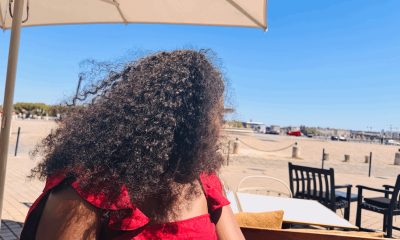


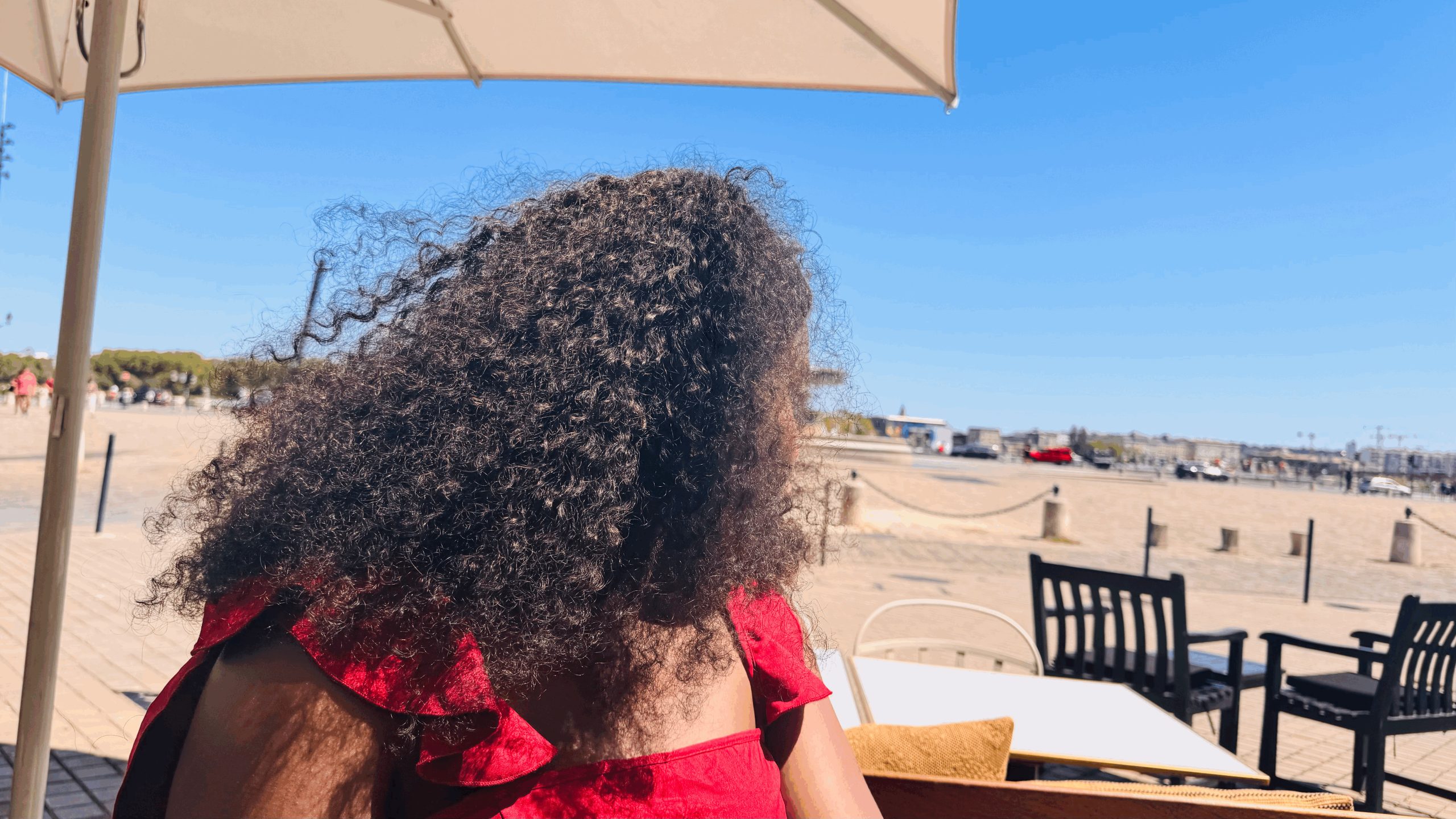
When I tell people I visited Bordeaux for my first trip to France, I’m usually met with surprise. “Not Paris?” they ask. And honestly? I have zero regrets. Bordeaux completely stole my heart, and here’s everything you need to know about this stunning city.
Why Bordeaux?
I’d been seeing Bordeaux pop up on my feed more and more the 18th-century architecture, the wine culture, the UNESCO World Heritage city centre. As someone who loves history, good food, and beautiful cities that aren’t overly touristy, it seemed perfect.
Spoiler alert: it absolutely was.
Getting There
I flew into Bordeaux-Mérignac Airport, which is about 12km from the city center. The airport is well-connected, and getting into town was straightforward. I took the a taxi from the airport to my hotel.
Pro tip: Book your accommodation in the city centre. Bordeaux is incredibly walkable, and staying centrally means you can explore on foot.
Best Time to Visit
I visited in August, and the weather was warm. From what I’ve learned, the best times to visit Bordeaux are:
- Spring (April-June): Mild weather, fewer crowds, everything in bloom
- Fall (September-October): Harvest season for wine lovers, still warm
- Summer (July-August): Warmest but most crowded and expensive
- Winter is quieter and more affordable, but some attractions have shorter hours.
Getting Around Bordeaux
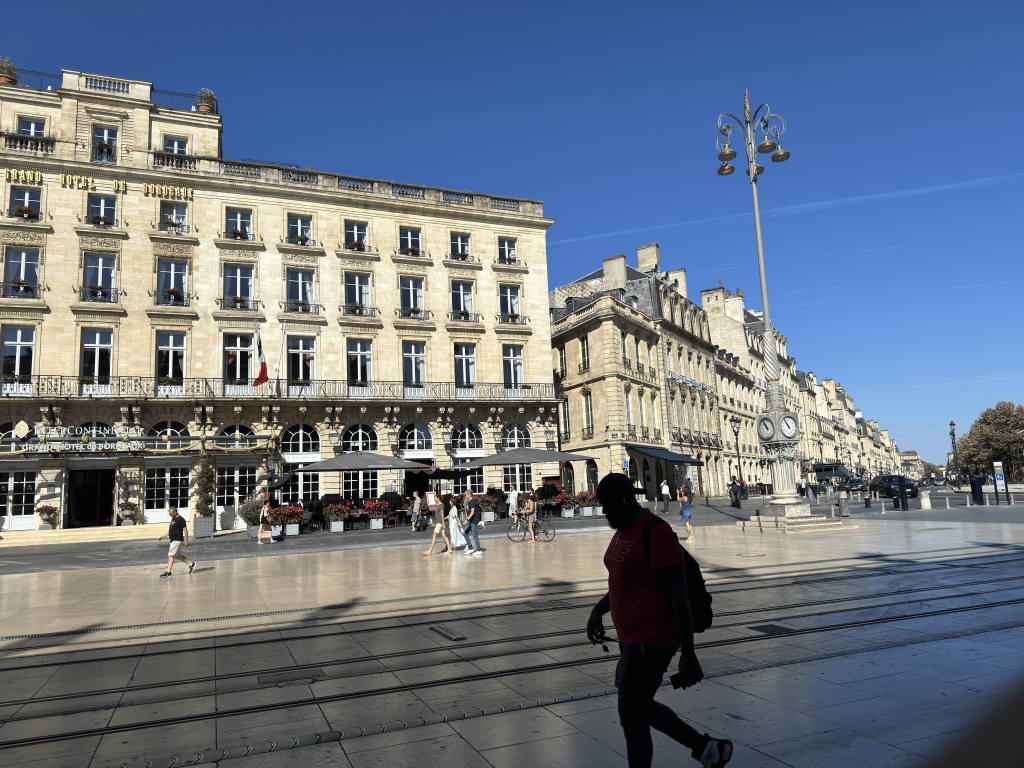
The city centre is compact and incredibly walkable. I did 90% of my exploring on foot. Bordeaux also has an excellent tram system if you need it, and the entire network is modern and easy to navigate.
My advice? Wear comfortable shoes and just walk. You’ll stumble upon beautiful buildings, hidden squares, and charming cafes that you’d miss otherwise.
What to See & Do
1. Miroir d’Eau (Water Mirror)
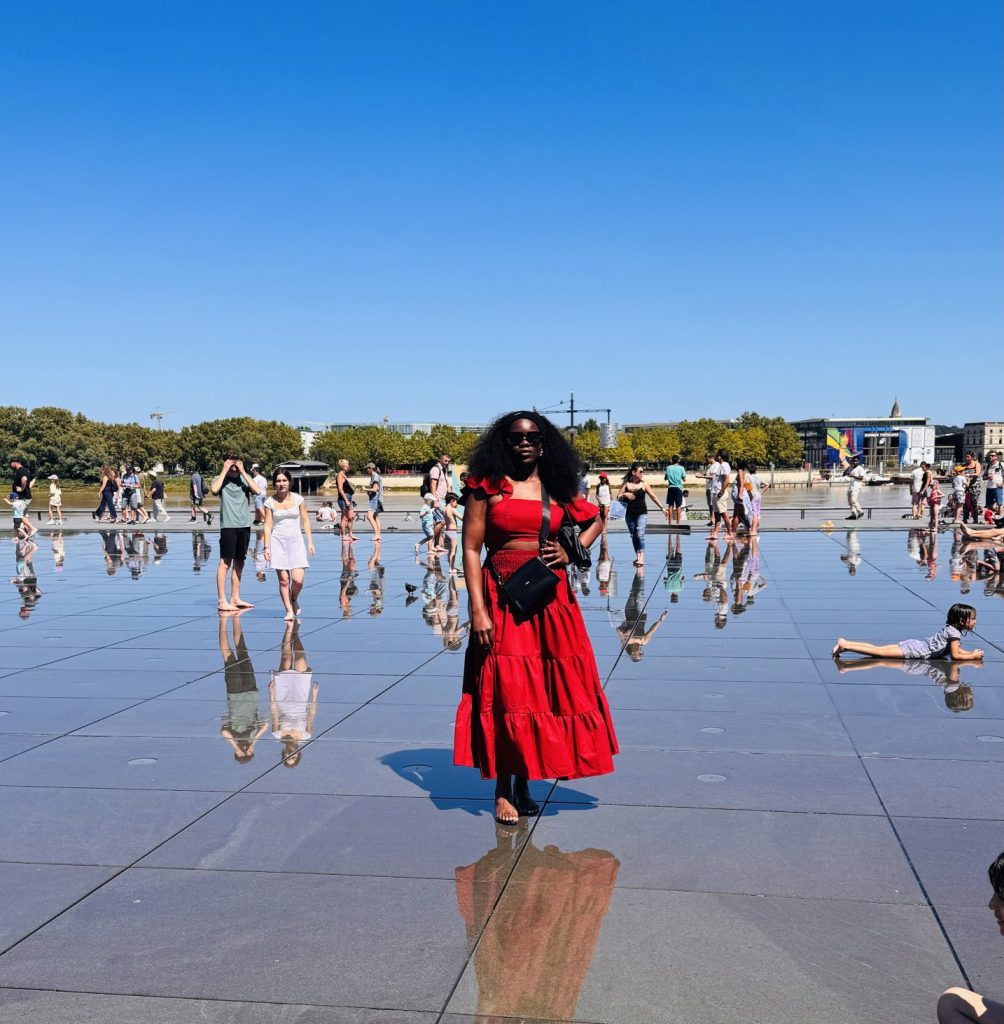
The highlight of my trip. Miroir d’Eau is the world’s largest reflecting pool, located on the Place de la Bourse. It’s a shallow pool that creates stunning reflections of the surrounding 18th-century buildings.
When to visit: Sunset or early evening. The golden hour light makes it absolutely magical, and it’s less crowded than midday.
What to know: The pool alternates between a mirror effect and a mist effect every 15 minutes. Both are beautiful, but the mirror phase is perfect for photos.
Cost: Free
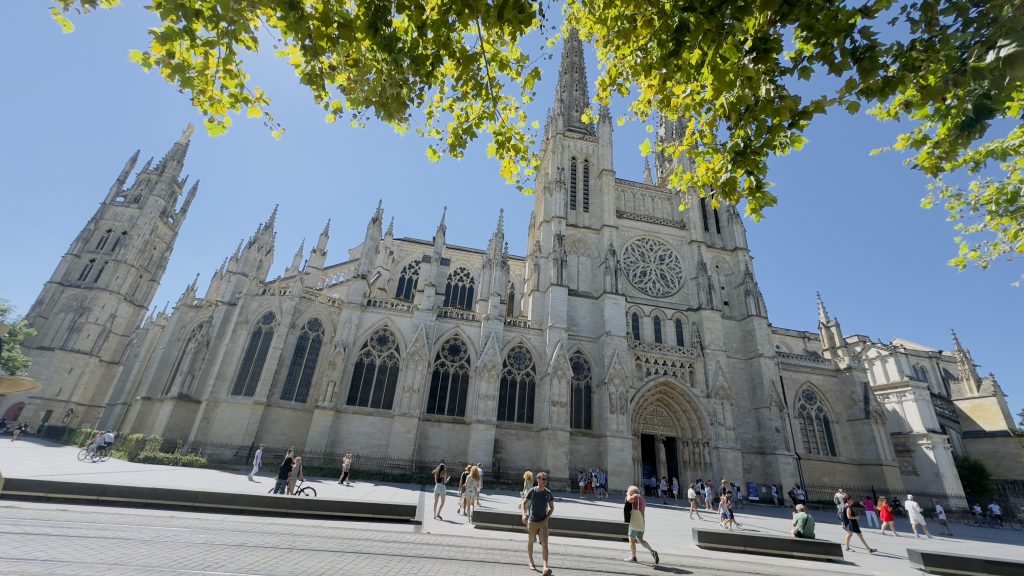
2. Cathédrale Saint-André
This Gothic cathedral is over 900 years old and absolutely breathtaking. The architecture is stunning both inside and out, and it’s one of the most important religious buildings in Bordeaux.
What I loved: The sheer scale of it. Walking inside and seeing the soaring ceilings and intricate details reminded me why I love historic architecture.
When to visit: Mornings are quieter. Afternoons can get busy with tour groups.
Cost: Free entry (donations welcome)
Pro tip: Climb the Pey-Berland Tower next door for panoramic views of the city. It’s 231 steps but worth it.
3. Place de la Bourse
This is arguably Bordeaux’s most iconic square, built in the 18th century. The symmetrical buildings, the fountain, and the proximity to the Garonne River make it incredibly photogenic.
Best for: Photos, people-watching, and just soaking in the atmosphere
When to visit: Evening when everything is lit up

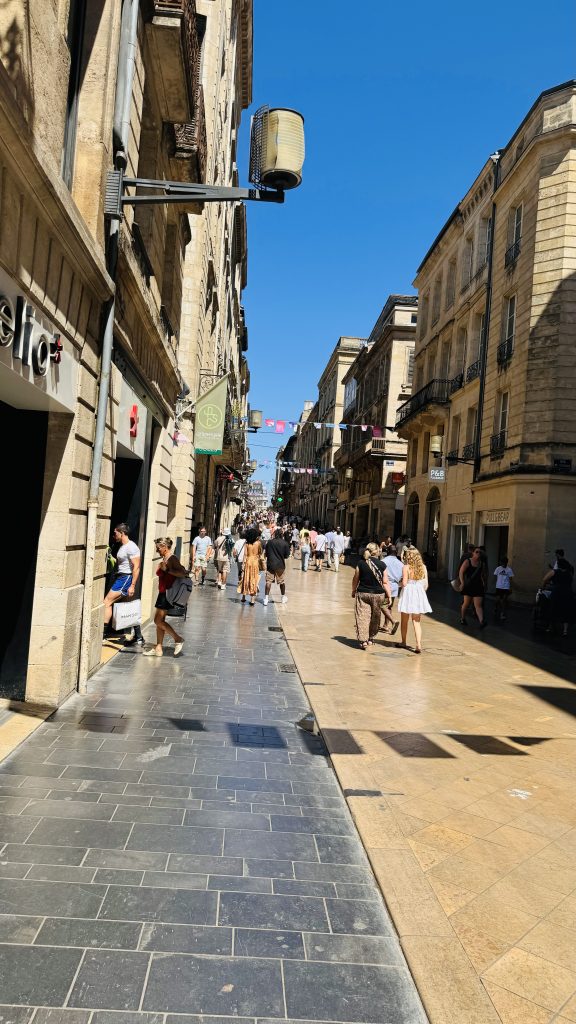
4. Historic City Center (UNESCO World Heritage Site)
Bordeaux’s entire city center is a UNESCO World Heritage Site, and honestly, just wandering is an activity in itself. Every street has beautiful architecture, charming shops, and that quintessentially French atmosphere.
What I did: I just walked. No map, no plan. Some of my favorite moments were stumbling upon beautiful buildings, small squares, and local cafes.
Don’t miss: Rue Sainte-Catherine (one of Europe’s longest pedestrian streets great for shopping)
5. La Garonne River
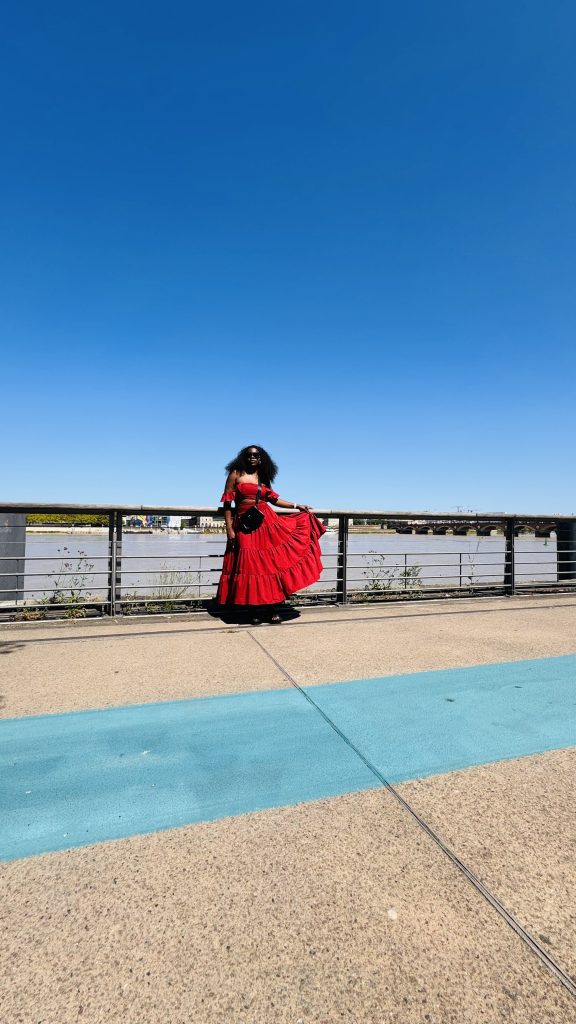
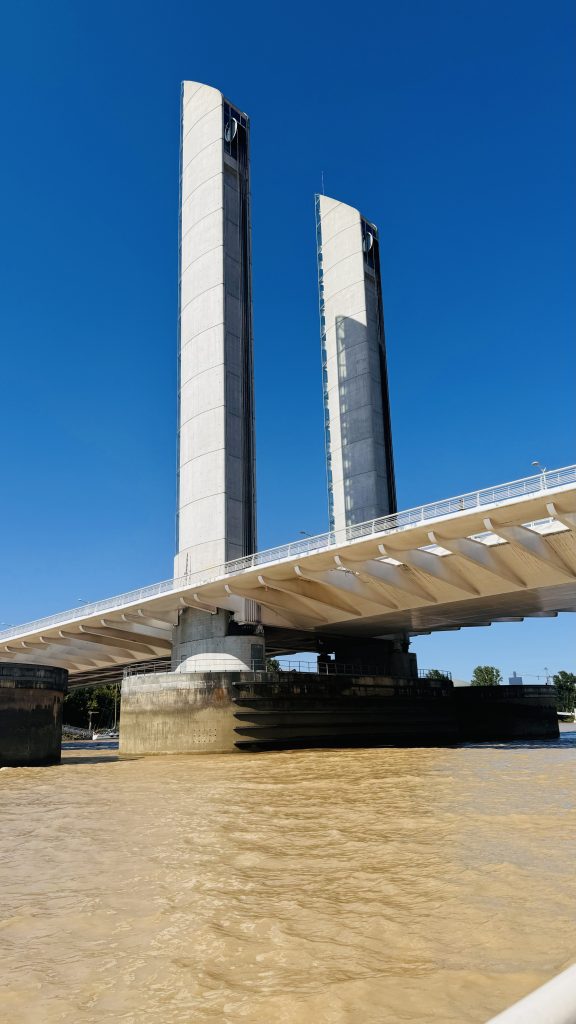
The river runs through Bordeaux, and walking along the riverfront was one of my favorite things to do. There are beautiful views, benches to sit and relax, and a lovely atmosphere especially at sunset.
Pro tip: Walk along the right bank (Quai des Chartrons) for the best views of the city.
6. Hire a Local Guide
This was hands down one of the best decisions I made. I hired a local guide for a walking tour of the historic center, and it completely transformed my experience.
Why it’s worth it:
- You learn the stories behind the buildings and streets
- You discover hidden spots you’d never find on your own
- You get insider tips on where to eat, what to see, and how to experience the city like a local
- It brings the history to life in a way guidebooks can’t
I learned about Bordeaux’s role in the wine trade, its 18th-century golden age, and so many architectural details I would have completely missed on my own.
Cost: Varies depending on length and type of tour (mine was around £12 for 2hours)
Where to book: I found mine through GetYourGuide, but you can also ask your hotel or search online.
Where to Eat
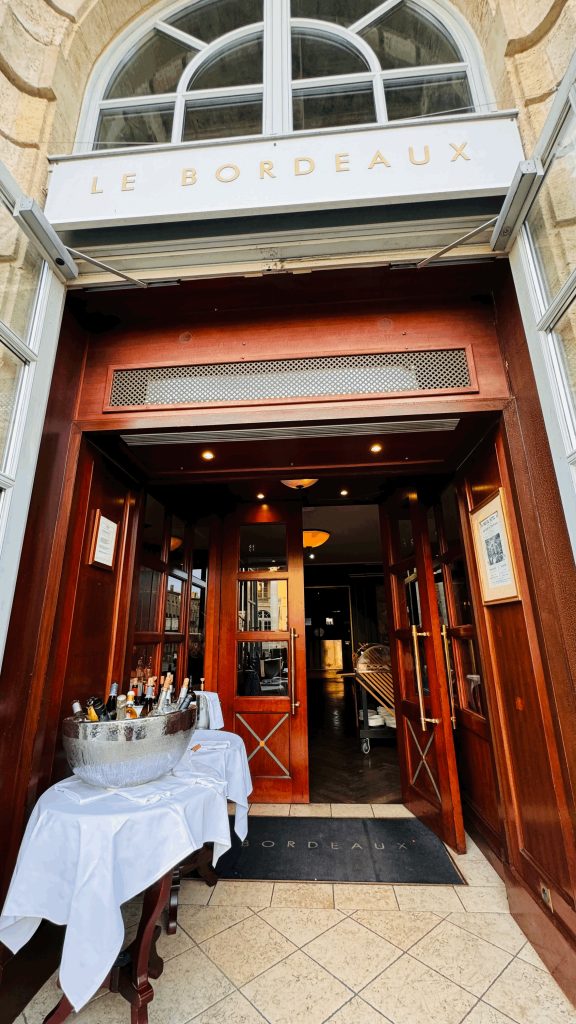
Le Bordeaux
The experience: This was my splurge meal, and it was absolutely worth it. Le Bordeaux is a fine dining restaurant with a rooftop terrace offering panoramic views of the city.
What I loved: The views, the ambience, the attention to detail. Even the elevator was aesthetic! The food was incredible, and dining with that view at sunset was unforgettable.
Reservation: Book ahead, especially for the rooftop
Perfect for: Special occasions, romantic dinners, or treating yourself
General food tips:
- Bordeaux is known for wine (obviously), but also canelés – small pastries with a caramelized crust. Try them!
- Many restaurants close between lunch and dinner service (typically 2:30pm-7pm)
- French dining is leisurely – don’t rush it
- “L’addition, s’il vous plaît” = “The bill, please”
Overall: Bordeaux is more affordable than Paris but still a mid-range European city. You can do it on a budget (stay in hostels, eat street food, skip wine tastings) or splurge (nice hotels, fine dining, wine tours).
Is Bordeaux Worth Visiting?
Absolutely, 100%, yes.
If you’re looking for a French city that’s beautiful, historic, cultural, and not overwhelmingly touristy (looking at you, Paris), Bordeaux is perfect.
You’ll love Bordeaux if:
- You appreciate architecture and history, enjoy wine (or want to learn about it), prefer walkable cities, want a more authentic French experience
Where to Next?
Bordeaux has left me wanting to explore more of France. I’m planning trips to:
- Lyon – for the food scene
- Nice – for the beaches and French Riviera
- Strasbourg – for the Alsatian culture
But honestly, I’m already thinking about when I can return to Bordeaux. There’s something about this city that just stays with you.
Have You Been to Bordeaux?
I’d love to hear about your experience! What did you love most? Any recommendations I missed? Drop a comment below or find me on Instagram @ekomiamiblog, TikTok @ekomiamiblog, Youtube @ekomiamiblog

U.S. Attorney General William Barr has finally succumbed to pressure from President Donald Trump and some Republican leaders alleging voting fraud in the 3 November US election, by ordering a probe.
In a letter to federal prosecutors on Monday, he authorised them to pursue investigations into “substantial allegations of voting and vote tabulation irregularities,” while urging them not to chase “fanciful or far-fetched” claims.
Read Also: Trump Fires Defence Secretary, Mark Esper, Appoints Miller In Acting Capacity
The letter to prosecutors, which was seen by Reuters, marked the first time Barr addressed President Donald Trump’s repeated and unsubstantiated claims of widespread voter fraud since last week’s election won by Democrat Joe Biden.
It came several hours after Barr met with Republican Senate Majority Leader Mitch McConnell, who earlier on Monday said Trump was well within his rights to look into charges of “irregularities” in last week’s election.
“I authorize you to pursue substantial allegations of voting and vote tabulation irregularities prior to the certification of elections in your jurisdictions in certain cases, as I have already done in specific instances,” Barr wrote in the letter to federal prosecutors and the FBI.
President Trump and his personal attorney Rudy Giuliani have repeatedly made broad allegations of voter fraud in a number of states, but have not provided evidence for their claims.
Trump has filed lawsuits in a number of states that he either lost to former Vice President Joe Biden or is trailing in the vote count as the final ballots are tallied.
Biden secured his electoral college victory over Trump in the 2020 election with his projected win in Pennsylvania and Nevada on Saturday.
Biden is leading Trump in Arizona and Georgia, states that he will have flipped Democratic if he’s ultimately victorious in them.

The United Nations (UN) has blamed recent widespread public protests in various countries, including Nigeria, on the harsh socio-economic effects of the Novel Coronavirus (COVID-19) Pandemic the Nation reports.
Deputy Secretary-General of the UN Amina Mohammed stated this on Monday after separate meetings with President Muhammadu Buhari and Vice President Yemi Osinbajo at the Presidential Villa in Abuja.
The UN Executive, who was responding to a question on the global body’s stand on the #EndSARS protest in Nigeria, however lauded the nation’s response to the demands of the protesters, describing it as the quickest so far.
According to Mrs. Mohammed, the lessons learnt from Nigeria’s response to the protests are part of what would be taken into the future on how to manage conflict situations.
She noted that the demands of the protesters and the steps now being taken by the Nigerian government are the building blocks to the process of needed reforms for security as well as rebuild trust between government and the people.
Read Also: [#EndSARS] Osinbajo calls Taye Olubayo who addressed a letter to him
“The UN stance is clear, like the UN Secretary General had said in his speech, we believe everyone has a right to demonstrate peacefully for those issues they want to raise with their government.
“There is a social contract in place between the government and the people and it is important to have that freedom of speech, provided it is done peacefully.
“I think in the case where we heard that lives and property were lost, it was unfortunate and we believe that in addressing the demands that were made by young people, that in fact this is perhaps a lesson we can take into the future and how we engage in such issues.
“I have to say that there are lots of protests around this world that have been exacerbated by COVID because, COVID has left people out of work, left people hopeless because of the socio-economic impact and in many of those protests, we have not seen governments turn around in response as quickly as this government did.
“So, the UN’s response to this is that, we must make sure that what happened in this protests we are able to address those issues, those gaps and begin the reform, in fact I will say the transformations that are needed to address many of these outstanding issues and for that we need to engage youths, we need to engage government.
“I think what has been put in place are those building blocs and the support of the UN has been asked to make sure that those convenience can happen and that we can build back trust and have confidence-building measures in order to get to where we need to, where the social contract between government and the people is firm and trustworthy and is working for the benefits of the Nigerian people”, she said.
She expressed regrets over the break down of the protests into chaos, which had led to the loss of lives and destruction of property.
“We did raise while we were with Mr. President the issue around the recent challenges of ENDSARS protests that happened in the country. It was of course one that the Secretary-General, we all alarmed and of course support the country in trying to get back on track.
“Young people and their demands for social justice, governance are all legitimate ones and must be done peacefully. But we were all disturbed by the damage level, loss of lives and we continue to condole with those families who suffer those loses.
“Today was one in which we encourage efforts that are being made by government to that the process of engaging with the demands that have been made by the young people. It’s a start on that journey of reforms that are needed in the security sector, but also root causes to the issues that are happening today, which is about investing in development”, she said.
She said the global body would continue partner the Nigerian government, disclosing the launch of a new support programme; UN Plus Offer, which is targeted at the nation’s post-COVID-19 plan, the Economic Sustainability Plan (ESP).
“We look forward to continuing our partnership with the government of Nigeria. We are happy today to launch the UN Plus Offer, which has to do again with supporting Economic Sustainability Plan (ESP) over the next two years so that we can respond a little bit better.”
 Q & A6 years ago
Nigeria Coat of Arms & Nigerian Flag: All Facts You Should Know
 Entertainment6 years ago
Download & Listen to “Jore” by Adekunle Gold ft. Kizz Daniel
 Business6 years ago
The Biggest Container Ship Ever To Come To Nigeria Berths In Onne Port, Rivers State (Photos)
 Q & A6 years ago
Nigerian Phone Numbers: Prefix For All Nigerian Networks
 Q & A6 years ago
The 8 Hierarchy of Courts in Nigeria Explained: Functions & Jurisdiction
 Politics6 years ago
Full List of Nigeria’s Senate Presidents Till Date
 Business5 years ago
All you need to know about bitcoin

 Politics2 years ago
Breaking: UAE lifts visa ban on Nigerians