


603 repentant Boko Haram fighters to be released in July after deradicalization
Nigeria’s Defence Headquarters (DHQ) Says 603 Repentant Former Boko Haram Members Will Be Re-Integrated Into Society Next Month As Graduates Of Operation Safe Corridor.
Operation Safe Corridor, a multi-agency humanitarian effort led by DHQ, was launched in 2016 to encourage Boko Haram terrorists to surrender.
The programme is based on De-radicalisation, Rehabilitation and Re-Integration (DRR) of former members of the Islamic sect that has terrorised the northeast region for over 10 years.
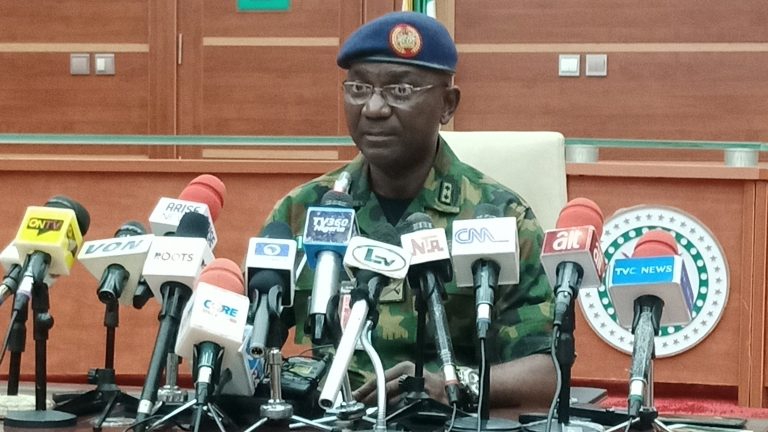
During a media briefing on the operations of the Armed Forces of Nigeria on Thursday, June 11, 2020, DHQ spokesperson, Major General John Enenche, said 603 former combatants who have completed the DRR Programme will be released in July.
He said a total of 893 ex-combatants have been admitted into the programme since 2016, with 280, including two Chadians, already reintegrated back into the society through their respective state and national authorities.
“The Operation is a success story as feedbacks from those reintegrated are positive.
“A particular one in Bama who learnt barbing as a vocation has successfully empowered four locals and is happily married with children,” he noted.
The Boko Haram insurgency kicked off in 2009 and has led to the death of over 30,000 people, and displacement of over 2.5 million in the northeast and surrounding border countries.
DHQ brushes off controversy surrounding Operation Safe Corridor
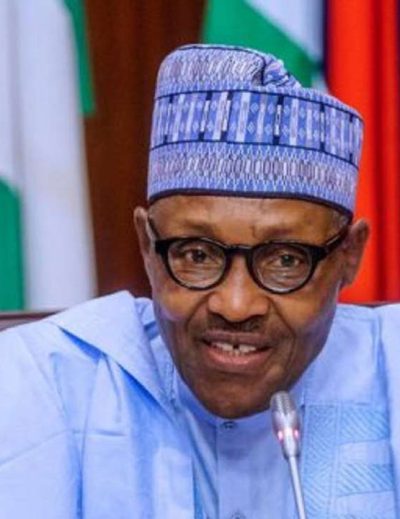
The programme has been controversial and treated with contempt by large sections of the Nigerian public who say it sends a poor message about President Muhammadu Buhari‘s war on terror.
Last month, Amnesty International criticised the programme for being rife with violations, including the unlawful detention of people not proven to be Boko Haram collaborators.
“None of the major donors to Safe Corridor would sanction such a system of prolonged and unlawful detention for its own citizens, so why do they do so in Nigeria?” said Osai Ojigho, Director of Amnesty International Nigeria.
However, Enenche assured the public that the programme is a non-kinetic operation aimed at giving hope to ex-combatants who willingly give up their arms to embrace peace.
“It is not a process of assembling raw repentant ex-combatants to inject back into the society by the military.
“Rather, it is an international best practice for conflict management backed by relevant laws with the concurrence of key stakeholders such as international organisations and MDAs among others,” he said.
The United Nations International Children Emergency Fund (UNICEF), International Organisation for Migration (IOM), United States Agency for International Development (USAID), Department For International Development (DFID), Centre for Democracy and Development (CDD), and the North-East Regional Initiative (NERI) are key implementation partners of Operation Safe Corridor.
Enenche noted that it is guided by provisions such as International Humanitarian and Human Rights Laws, and is being administered by 468 staff drawn from 17 organisations including the Armed Forces of Nigeria (AFN), Law Enforcement and Security Agencies, other Federal Government Ministries, Departments and Agencies (MDAs) including North East Development Commission (NEDC), as well as locals from Gombe, where the DRR camp is located.



Leave a Reply